Qualifications explained
What Qualifications Do You Need to Be a Personal Trainer?
To work as a personal trainer in the UK, you need a Level 2 Gym Instructor qualification and a Level 3 Personal Training qualification, ideally CIMSPA-endorsed. Gyms and insurers also expect personal trainer insurance and usually a current first aid certificate. In Scotland, coaching children or protected adults can legally require PVG membership.
The legal position
Is "personal trainer" a legally protected job title in the UK?
No. Personal training has no statutory regulator in the UK, so the law doesn't stop anyone calling themselves a PT. In practice, though, the job is controlled by the people who hire and insure you. Gyms, insurers and CIMSPA all use the same benchmark: a recognised Level 3 qualification.
There's a legal edge too. UK consumer protection law bans misleading claims to customers. Calling yourself "qualified" without a recognised certificate can lead to complaints, and most insurers won't cover you without one. So "not regulated" is not the same as "no qualification needed".
The core two
Which qualifications are essential to work as a PT?
You need two qualifications, taken in order. The first is a Level 2 Gym Instructor qualification. It covers anatomy, the principles of exercise and gym-floor safety, and it's the prerequisite for Level 3. The second is a Level 3 Personal Training qualification. It adds client screening, individual programme design, nutrition and the business side of the job. Level 3 is the minimum for training clients one-to-one.
Most people take both as one combined course, which is why so many courses are advertised as "Level 2 & 3 Diplomas". Level 2 courses generally accept learners from 16. At Edinburgh PT Academy you can start the course at 17, though most gyms and insurers won't take you on until you're 18. Our Level 2 vs Level 3 comparison explains exactly what each level covers.
Recognition
Does the qualification need to be CIMSPA-endorsed or Ofqual-regulated?
It should be both, or the Scottish college equivalent. CIMSPA, the Chartered Institute for the Management of Sport and Physical Activity, sets the professional standard for personal trainers that employers and insurers check against. Ofqual regulates the qualification itself in England, which is why most private-provider diplomas say "Ofqual-regulated".
Scotland also has a college route on the SCQF framework. According to the SQA, completing the HNC Fitness, Health and Exercise together with the PDA Personal Training (both SCQF level 7) lets you register with CIMSPA as a Personal Trainer Practitioner. Whichever route you take, confirm CIMSPA status before paying. Our CIMSPA vs REPs explainer shows how.
Beyond the certificate
What else do you need besides the qualification?
Personal trainer insurance
Insurance is essential the moment you train paying clients. A typical policy combines public liability cover (if a client is injured or property is damaged) with professional liability cover (if your advice is blamed for harm). Employed PTs may be covered by their gym. Self-employed PTs must arrange their own, and basic policies start from around £100 a year.
A first aid certificate
A first aid qualification isn't required by law. It is expected in practice, and for self-employed trainers in particular it's treated as essential. Most certificates last three years and cost roughly £80 to £150. Choose one that includes CPR, because you'll often be the only trained person in the room. Edinburgh PT Academy runs full CPR courses throughout the year.
CIMSPA membership (optional)
Once qualified, you can join CIMSPA as a Personal Trainer Practitioner. As of September 2026, it costs £38.94 a year and lets you use the MCIMSPA postnominals. To stay a member you must complete 10 points of continuing professional development (CPD) each year. It isn't mandatory, but it gives employers and clients a quick way to verify you.
Scotland specifically
Do personal trainers in Scotland need a PVG check?
Only if your work counts as a "regulated role" with children or protected adults, but when it does, it's a legal requirement. The Protecting Vulnerable Groups (PVG) scheme is run by Disclosure Scotland. Since 1 April 2025, anyone doing a regulated role must be a member. After the grace period ended on 1 July 2025, working in a regulated role without membership became a criminal offence.
Disclosure Scotland gives children's football coaches as an example of a regulated role. Regularly coaching under-18s, such as a junior club, a school programme or teen sessions, is therefore where a PT is most likely to need PVG. The first-time membership fee is £59 and membership lasts five years. If you're unsure, use the role checker on mygov.scot or ask the employer. Training adults one-to-one in a commercial gym doesn't usually need PVG, though some employers still ask for a basic disclosure.
The complete checklist
Everything a UK personal trainer needs, at a glance
| Item | Required? | Who checks it | Typical cost | Renewal |
|---|---|---|---|---|
| Level 2 Gym Instructor | Yes: prerequisite for Level 3 | Course providers, gyms | Usually bundled with Level 3 | Doesn't expire |
| Level 3 Personal Training | Yes: minimum to train clients | Gyms, insurers, CIMSPA | Combined L2+L3 roughly £1,100–£2,000 | Doesn't expire |
| PT insurance | Yes, in practice | Gyms, clients, venues | From around £100 a year | Annual |
| First aid / CPR | Expected; essential if self-employed | Insurers, gyms | £80–£150 | Every 3 years |
| CIMSPA membership | Optional | Employers verifying you | £38.94 a year | Annual, plus 10 CPD points |
| PVG membership (Scotland) | Legally required for regulated roles with children or protected adults | Employer, Disclosure Scotland | £59 to join | Membership lasts 5 years |
| Level 4 / degree | No | — | — | — |
Costs and fees as published by the relevant bodies and industry sources, checked 28 September 2026.
Going further
Do you need a Level 4 qualification or a degree to be a PT?
No. Level 3 is the working qualification, and a degree isn't required to work as a PT. Level 4 qualifications are optional specialisms, for example working with clients with specific medical conditions. They make most sense once you know which clients you want to specialise in.
A sports science degree is useful background, but it doesn't replace Level 2 and Level 3. Graduates still normally need the vocational qualifications, or an equivalent that meets CIMSPA's standard, before a gym will let them train clients.
Getting started
What's the quickest way to get the qualifications you need?
The quickest route is one combined Level 2 and Level 3 course, followed by insurance and first aid as soon as you finish. Arrange a PVG check as well if you'll coach under-18s in Scotland. Combined courses remove the gap between the two levels and the second enrolment.
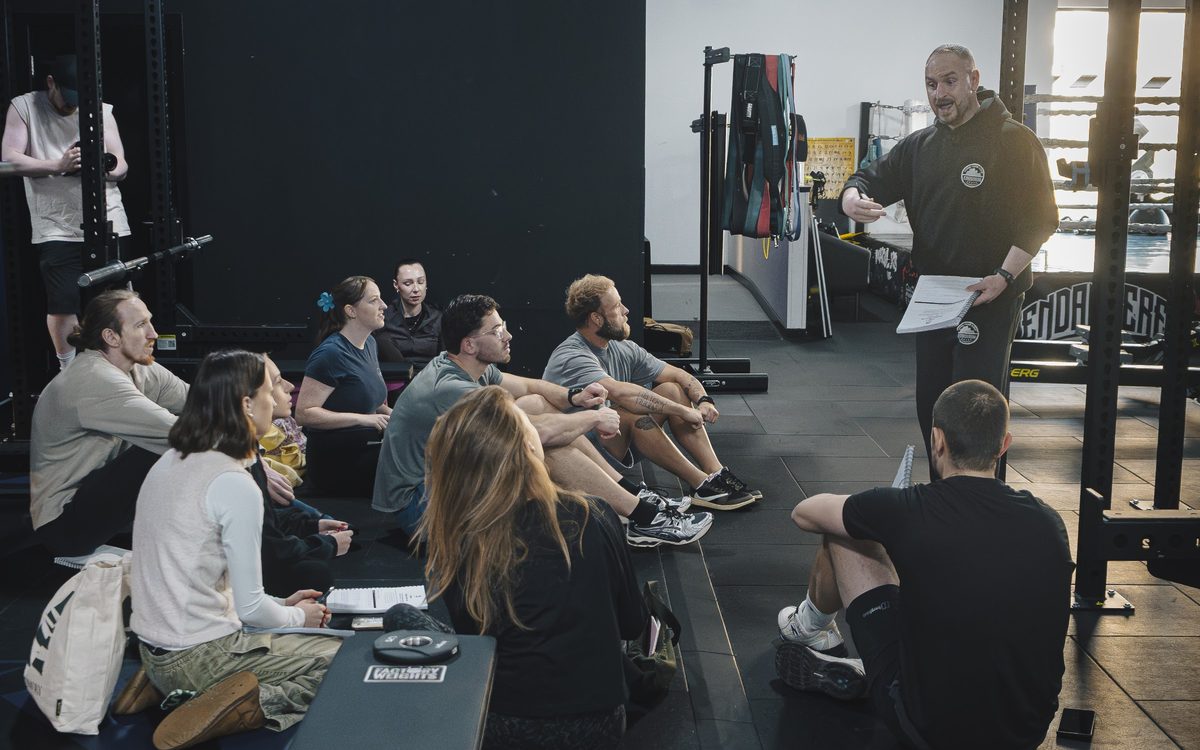
Edinburgh PT Academy's 10-week course covers both levels, CIMSPA-approved and Ofqual-regulated, with 40 hours of supervised gym practice. It includes a business module covering pricing and self-employment. For the wider picture, from choosing a course to landing your first clients, read how to become a personal trainer in Edinburgh.
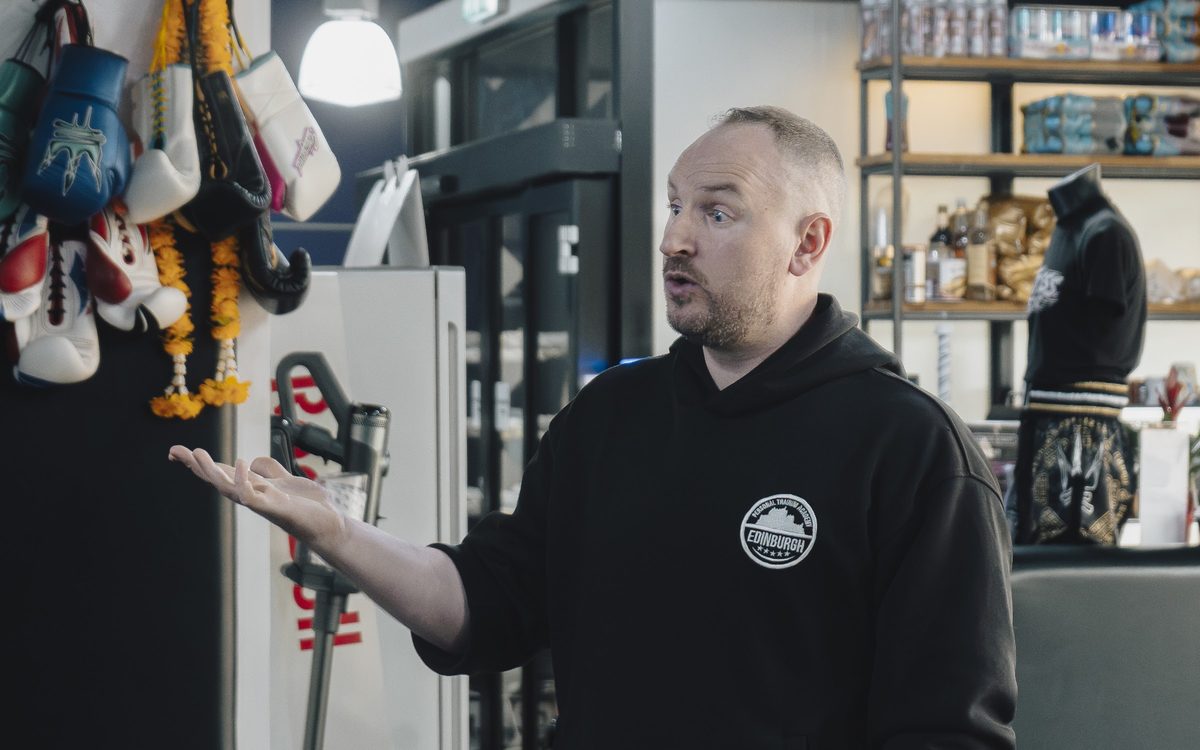
The qualification you get from Edinburgh PT Academy isn't just a certificate. It's a toolkit that lets you adapt to lots of different clients. I'll show you what to use, why you use it, and a proven structure to get your clients amazing results.
Our course sits at the top end of that range, because of what's included. Pay your deposit by 31 December and lock in £1,850. From 1 January 2027 the course is £2,250.
Frequently asked questions
Can you be a personal trainer without qualifications?
Legally, yes. Nothing stops you calling yourself a PT. In practice, no. Gyms won't employ you and insurers won't cover you without a recognised Level 3 qualification.
Is Level 2 enough to be a personal trainer?
No. Level 2 lets you work as a gym instructor: inductions, the gym floor and some classes. To train clients one-to-one and charge for it, you need Level 3.
How old do you have to be to become a personal trainer?
Most Level 2 courses accept learners from 16. At Edinburgh PT Academy you can start the course at 17. Most gyms and insurers won't take you on until you're 18, so you can qualify early but will usually wait until 18 to train paying clients.
Do I need GCSEs, Highers or a degree to become a PT?
No. Most PT courses have no formal academic entry requirements. You'll need to be comfortable with written assignments and some basic maths for programme design. What matters more is a real interest in training, sport or health.
Do personal trainer qualifications expire?
No. Your Level 2 and Level 3 don't expire. Your first aid certificate needs renewing every three years, your insurance every year, and CIMSPA membership needs 10 CPD points a year.
Do I need insurance if I'm employed by a gym?
Usually the gym's policy covers the work you do for them. It often won't cover private clients or sessions outside the gym, so if you train anyone privately, get your own cover.
Is first aid a legal requirement for personal trainers?
No, but most gyms and insurers expect it, and it's essential if you're self-employed. First aid is a separate course from your PT qualification, so pick one that includes CPR. Edinburgh PT Academy runs full CPR courses throughout the year.
Do I need a DBS or PVG check to be a personal trainer?
DBS is the system in England and Wales. In Scotland, Disclosure Scotland runs the equivalent. PVG membership is a legal requirement if you work in a regulated role with children or protected adults. It costs £59 to join and lasts five years. Training adults in a commercial gym usually doesn't need it, though some employers ask for a basic disclosure.
Is CIMSPA membership compulsory for personal trainers?
No. It's optional, but it gives employers and clients a quick way to check you're qualified.
Can I train clients online with a Level 3 qualification?
Yes. Level 3 qualifies you to coach clients online. Check your insurance covers online coaching, because not every basic policy does.
Are Scottish college fitness qualifications recognised like private PT diplomas?
Yes, if you complete the right combination. The HNC Fitness, Health and Exercise together with the PDA Personal Training lets you register with CIMSPA as a Personal Trainer Practitioner. The college route usually takes longer than a private course.
Related reading
Keep exploring
Comparison
Level 2 vs Level 3 Personal Training
What each qualification actually covers, and whether you need both.
Choosing a course
Best Personal Trainer Course in Scotland
Routes, advertised prices and a 7-point scorecard.